The Miraflores district the vibrant heart of Lima's youth
Do Youth and Culture Meet in the Streets of Miraflores?
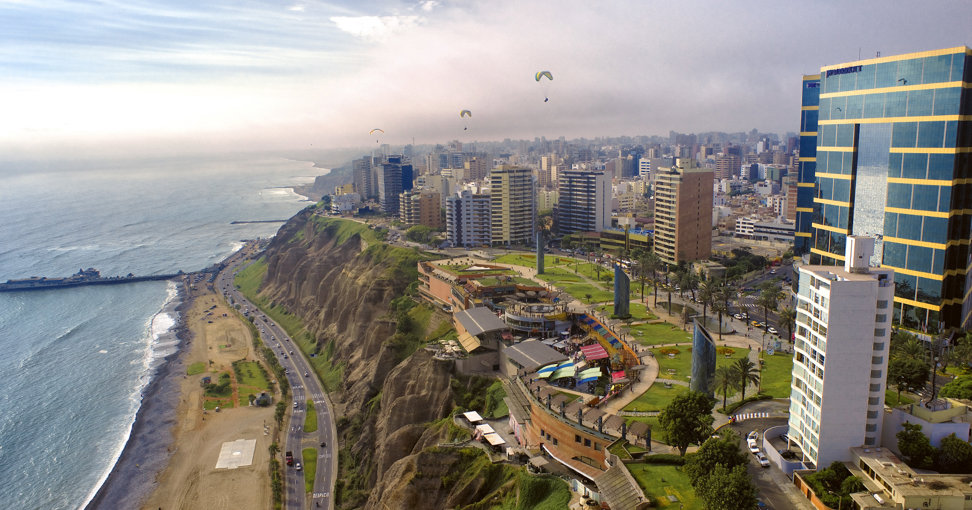
Miraflores is one of the most emblematic, modern, and attractive districts in Lima. It is characterized by its youthful and dynamic spirit, reflected in its modern infrastructure, extensive green areas, urban organization, and the wide variety of cultural, commercial, and recreational activities it offers. In addition, it maintains a close connection with Barranco, renowned for its historical tradition, bohemian atmosphere, and significant artistic heritage, allowing residents and visitors to enjoy complementary experiences in both districts.
Thanks to its touristic and cosmopolitan character, Miraflores has established itself as one of the most visited destinations by both domestic and international tourists. Its avenues, parks, boardwalks, and public spaces invite people to explore the district on foot, providing the opportunity to appreciate its cultural, architectural, and urban richness. Furthermore, it offers a wide range of gastronomic, commercial, and entertainment options that contribute to its constant dynamism and appeal.
On the other hand, Miraflores holds significant cultural and historical importance. During part of his youth, the Peruvian writer and recipient of the 2010 Nobel Prize in Literature, Mario Vargas Llosa, lived in this district. He found in this urban setting a source of inspiration for some of his experiences and literary works. This connection enhances the cultural value of Miraflores and makes it a place of special interest for those who wish to learn more about Peruvian history and literature.
Among its main attractions are its iconic parks. The most famous is Kennedy Park, considered the heart of Miraflores, where artists and artisans display their works daily, bringing color and life to the area. Another highlight is Love Park (Parque del Amor), renowned for its sculptures and mosaics representing different expressions of love and unity. From this park, visitors can enjoy beautiful views of the Pacific Ocean and unforgettable sunsets.
Miraflores has the privilege of being bordered by the Pacific Ocean, allowing it to offer ideal beaches such as La Estrella, Redondo, Makaja or Makaha, Miraflores, La Pampilla, Tres Picos, and Los Delfines, where various sports are practiced, including surfing, cycling, and paragliding. One of the most visited areas is the Miraflores Boardwalk (Malecón de Miraflores), a long promenade surrounded by green spaces and viewpoints offering breathtaking views of the sea. Additionally, the architectural beauty of Larcomar stands out—a modern shopping center built along the cliffside where visitors can relax and enjoy a variety of entertainment options.
Near this shopping center stands a statue of Paddington, the friendly and iconic British bear, symbolizing the bonds of friendship and cooperation between the United Kingdom and Peru. The sculpture was donated by the British Embassy in 2015 as a gesture of cultural rapprochement between the two nations.
In addition, a mural dedicated to this beloved character can be found on the 10th block of José Larco Avenue. Created by the renowned urban artist Pésimo, the artwork is notable for its vibrant colors and creativity, making it an attractive point of interest for visitors and passersby. The mural is approximately 4 meters long and serves as a tribute to Paddington’s presence in the district, reinforcing his value as a symbol of friendship and cultural exchange.
The district is also known for its extensive and diverse gastronomic and cultural offerings, making it one of the city’s main tourist attractions. Its streets are home to internationally acclaimed restaurants such as Maido, recognized as the world’s best restaurant in 2025, as well as La Mar, where visitors can taste ceviche, one of the most iconic dishes of Peruvian cuisine. Astrid & Gastón is another notable establishment. The district is also home to Huaca Pucllana, an important archaeological site museum that represents a fundamental part of Lima’s pre-Hispanic history. In addition, numerous theaters and cultural venues enrich the experience of both residents and visitors.
Miraflores also features important cultural and artistic spaces. Among them are the Luis Miró Quesada Garland Hall and the art galleries Marcelo Wong Gallery, Forum Gallery, and Moll Gallery, all recognized for promoting contemporary art and both national and international cultural expressions.
Furthermore, Miraflores is considered one of the capital’s main commercial and fashion centers, thanks to its exclusive stores and establishments that showcase products and items of great interest to tourists, young people, and the general public.
Modernity and Order: Is Miraflores Revolutionizing Urban Development in Lima?
Miraflores is one of the most attractive, modern, and visited districts in Lima. It is characterized by harmoniously combining traditional architecture with modern buildings, creating a dynamic and tourist-friendly urban environment. In addition to its diverse cultural, gastronomic, and commercial offerings, the district stands out for its extensive green areas and stunning views of the Pacific Ocean. One of its most representative landmarks is La Paz Bridge, an important pedestrian and recreational connection that links Miraflores with the Paul Harris Boardwalk in the district of Barranco through the Reserva Boardwalk.
La Paz Bridge has become one of Lima’s most outstanding tourist attractions. Its innovative design and modern infrastructure distinguish it as a unique construction in South America. It is approximately 112 meters long and 8 meters wide, allowing pedestrians and cyclists to travel comfortably and safely. This urban corridor includes bike lanes, making it an ideal place for walking and outdoor recreation.
Likewise, from the bridge and its surroundings, visitors can enjoy an impressive natural viewpoint located on the cliffs of Barranco, offering privileged panoramic views of Miraflores and Lima’s coastline. Thanks to these features, La Paz Bridge has established itself as an important tourist, recreational, and urban integration space between the two districts.
Another notable site is Youth Park (Parque de la Juventud), a modern and multifunctional public space that has become an important meeting point for residents and visitors. Its modern infrastructure has been designed to promote sports, recreation, and the development of cultural and artistic activities. The park features extensive green areas, relaxation zones, walking paths, and spaces dedicated to various sports disciplines, helping improve quality of life and encourage healthy lifestyles among the population.
In addition, cultural events, artistic performances, workshops, and recreational activities are frequently held there, strengthening social integration and the community’s cultural development. Thanks to its contemporary and functional design, the park represents one of the district’s most important and busiest urban spaces.
On the other hand, Miraflores is known for preserving a valuable historical heritage that coexists harmoniously with the city’s modern buildings. A clear example is Huaca Pucllana, one of Lima’s principal archaeological sites. This important pre-Hispanic complex, built primarily with adobe bricks, represents the legacy of ancient cultures that inhabited the Peruvian coast centuries before the arrival of the Spanish.
Huaca Pucllana contrasts strikingly with modern structures such as the JW Marriott Hotel, the Belmond Miraflores Park Hotel, major avenues, and shopping centers that surround it, highlighting the union between historical heritage and contemporary urban development. Today, this archaeological complex is not only a highly significant tourist attraction but also a cultural and educational space that allows visitors to learn more about the history and traditions of ancient Peru.
When Was Miraflores Founded?
Miraflores was officially established as a district on January 2, 1857, during the government of Marshal Ramón Castilla. However, the history of this emblematic area dates much further back, as the oldest archaeological remains discovered in the area belong to the Lima Culture, which developed approximately between 200 and 700 AD. These important findings demonstrate that the territory was inhabited since pre-Hispanic times and formed part of a rich cultural tradition on Peru’s central coast.
During the colonial period, in the sixteenth century, Viceroy Francisco de Toledo gave the area the name San Miguel de Miraflores. Over the years, the name was gradually shortened to simply Miraflores, while San Miguel remained the district’s patron saint.
The district offers accommodations for every taste and budget, ranging from luxury hotels, including the renowned Hilton Lima Miraflores, to cozy hostels and elegant boutique hotels. In addition, it enjoys a mild and pleasant climate throughout much of the year, making it an ideal destination for tourism and urban living.
How to Get to Miraflores?
To reach Miraflores using Lima’s Metropolitano transportation system, there are three main stations located along the Vía Expresa that provide quick and convenient access to different parts of the district. Each station is suitable depending on the specific destination you wish to visit:
• Ricardo Palma Station: Considered one of the most central and busiest stations in Miraflores. It is ideal for those wishing to reach the area around Kennedy Park, as well as the tourist and commercial zone of Larco Avenue.
• Benavides Station: This station is an excellent option for accessing the commercial and financial area surrounding Benavides Avenue.
• 28 de Julio Station: Located near the border between Miraflores and Barranco.
Sources:
Municipality of Miraflores
El Comercio
PUCP Thesis Repository
Foto: Peru Travel