Barranco: Lima’s bohemian heartbeat of art and tradition
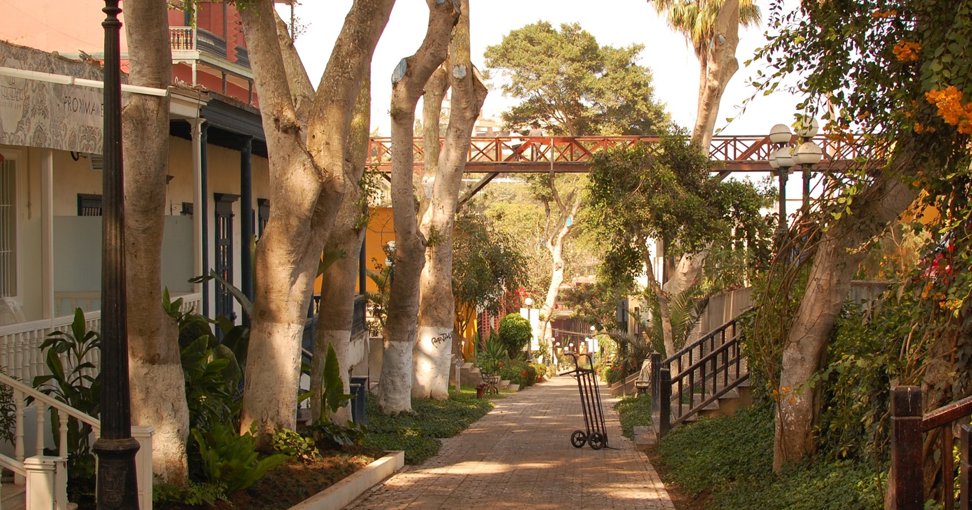
What is the cultural charm of Barranco?
This district is known for emanating culture and art in almost every corner. Its streets, parks, and gardens can be explored peacefully while along the way you can appreciate murals and graffiti created by renowned national and international artists. In addition, Barranco offers a wide variety of art galleries where collections from different eras and styles are exhibited, making it an important space for cultural expression. The district also features famous restaurants where visitors can enjoy exquisite dishes from Peruvian cuisine as well as a wide range of international food, making Barranco an attractive place for both tourists and lovers of art and good food.
In the district of Barranco, you can also enjoy a vibrant nightlife, characterized by a wide selection of bars, cafés, cultural spaces, and top‑tier restaurants. This area is home to the renowned Central restaurant, considered one of the best in the world and ranked number one on the prestigious list of The World’s 50 Best Restaurants in 2023. Barranco is also home to other fine‑dining restaurants such as Merito, Cala Restaurante, Apus Festines, and Fieras, which contribute to strengthening Lima’s culinary reputation internationally, becoming a major attraction for both local and foreign visitors.
In addition to its outstanding gastronomic offerings, this district has an important cultural and artistic circuit. Among its main art galleries are Dédalo, Jade Rivera World, Grada Galería, and Galería José Antonio, spaces that exhibit works by Peruvian and international artists. These galleries allow visitors to appreciate expressions of contemporary, traditional, and native art, enriching the cultural experience of those who visit this emblematic district of Lima.
Likewise, the district of Barranco is home to important spaces dedicated to the educational and cultural development of the community, such as the Municipal Library, which houses approximately 2,500 volumes including literature, history, science, art, and general reference material. This venue is a valuable source of knowledge for students, researchers, and the general public, promoting reading habits and access to information. Similarly, the Casa de la Cultura plays a fundamental role in the comprehensive development of citizens, offering academic, artistic, and cultural activities that foster learning, creativity, and community participation. Both institutions significantly contribute to strengthening the educational, intellectual, and cultural level of children, youth, and adults, benefiting all residents of Barranco and promoting a more informed and engaged society.
In this district, you can visit important cultural spaces such as the Museum of Contemporary Art (MAC), which hosts notable exhibitions by national and international artists, and the MATE Association, founded by the renowned Peruvian photographer Mario Testino, where some of his most representative works are displayed along with various exhibitions related to photography, art, and contemporary culture.
Barranco: A journey through history and urban art
Barranco is one of the most emblematic and picturesque districts of Lima, known for its colorful streets, republican‑era mansions, and its strong cultural and artistic charm. This district stands out for its bohemian atmosphere, its historical richness, and its important architectural heritage, making it one of the main tourist attractions of the capital.
Barranco is connected to the district of Miraflores through the Puente de la Paz, a structure that links the Paul Harris boardwalk in Barranco with the La Reserva boardwalk in Miraflores. It also borders the districts of Santiago de Surco, Chorrillos, and Miraflores, while to the west it extends toward the Pacific Ocean.
Thanks to its privileged coastal location, Barranco has beautiful beaches that form part of its natural and recreational landscape, such as Los Yuyos, Las Sombrillas, Barranquito, Los Pavos, Las Cascadas, and Baños de Barranco. The latter stands out for its historical and traditional value, as it forms part of the district’s memory and identity. Together, these beaches complement Barranco’s tourist appeal, offering ideal spaces for relaxation, sports, and enjoying the beauty of Lima’s coastline.
The descent toward the beaches through the district’s pedestrian walkway is an extremely attractive, picturesque, and charming route that allows residents and visitors to enjoy a unique cultural and artistic experience. Along this path, it is possible to admire a wide variety of murals that beautify the surroundings with vibrant colors, creative compositions, and meaningful cultural messages. Barranco is recognized as one of Lima’s main urban art hubs, as it features around three hundred murals distributed across its streets, squares, and passageways. Among the artists who have contributed to this visual heritage are Jade Rivera, Elliot Túpac, Decertor, and Pésimo, whose works have turned the district into a true open‑air gallery.
Along the route, visitors can also find sculptures inspired by iconic comic strip characters such as Mafalda and Condorito, which spark curiosity, admiration, and nostalgia among those who see them. These artistic elements complement the urban landscape and reinforce the cultural identity that characterizes Barranco.
Among the most notable murals is the tribute to Chabuca Granda, a celebrated Peruvian composer and performer who, through her artistic work, significantly contributed to the dissemination and appreciation of national culture. This mural, created by artist Éric Cárdenas, highlights the historical and cultural importance of the artist for the district and the country. Also noteworthy are the murals that decorate the Bajada de los Baños and the surroundings of the Puente de los Suspiros, one of the most emblematic, traditional, and romantic places in Barranco. These artistic expressions, harmoniously integrated into the urban landscape, turn the walk toward the beaches into an enriching experience that combines art, history, culture, and architectural beauty.
How was Barranco founded?
The district of Barranco was founded on October 26, 1874 during the government of President Manuel Pardo. In its early years, its main center was the Ermita de Barranco, considered one of the most representative symbols of the area. The new district incorporated the neighborhoods of Talana, Condesa, Ollería, Tejada, Larrión, and Pacayar, contributing to its growth and urban development.
At that time, Barranco bordered the Armendáriz ravine to the north, separating it from Miraflores, and the Cuadrado farm to the south. Thanks to its privileged location facing the sea and the beauty of its landscapes, the district became a place of rest and recreation for Lima’s families.
During the War of the Pacific, on January 14, 1881, the Chilean army arrived in Barranco and caused severe damage to the area. As a result of the invasion, important structures were burned, including the Ermita de Barranco and the old Puente de los Suspiros, both emblematic elements of the district’s history and identity.
At the beginning of the 20th century, the district began a process of reconstruction and modernization. Republican‑era mansions, summer houses, and other buildings started to multiply, establishing Barranco as one of Lima’s most attractive seaside resorts. During the 1920s, the Baños de Barranco became very popular among visitors. At that time, Peru was governed by President Augusto B. Leguía, whose administration was marked by major modernization projects across the country.
In recognition of their participation and sacrifice during the War of the Pacific, the districts of Barranco, Miraflores, and Chorrillos were declared Heroic Cities on June 14, 1962, by President Manuel Prado Ugarteche.
During colonial times, Barranco was frequented by Spaniards and mestizos who visited the area to enjoy its fertile lands, abundant fruit trees, and the beauty of its coastal scenery. The surroundings also preserve evidence of ancient populations that inhabited these lands before the arrival of Europeans. Some archaeological remains of these cultures can be found in areas near the Morro Solar in Chorrillos, demonstrating the historical and cultural importance of this part of Lima’s coast.
How to get to Barranco?
The fastest and most practical way to reach Barranco from different parts of Lima is by using the Metropolitano, the city’s rapid bus system. This district has three stations that provide easy access to its main tourist attractions.
Metropolitano stations in Barranco
Plaza de Flores Station: located near the border with Miraflores. It is a good option for those who want to explore the northern part of Barranco or walk toward the boardwalk.
Bulevar Station: this is the most central and most recommended station for visitors. From here, you can walk in just a few minutes to the Plaza de Armas, the Puente de los Suspiros, and the traditional Boulevard of Barranco.
Balta Station: offers quick access to the Municipal Park of Barranco and the avenues that connect to the boardwalk and other residential areas of the district.
How to get to Barranco from the south of Lima?
If you are in southern districts such as Chorrillos, Villa El Salvador, or San Juan de Miraflores, you can board the Metropolitano at the Matellini Terminal or at any of the stations along the route heading north. You must take a service going toward downtown Lima and get off at any of the stations in Barranco.
How to get to Barranco from the north of Lima?
If you are traveling from northern districts such as Comas, Independencia, or Los Olivos, you can board the Metropolitano at the Naranjal Terminal or at any of its intermediate stations. The regular services running along the main corridor allow you to reach the stations located in Barranco directly.
SOURCES
Peruvian Government Platform
RPP
Photo: “Barranco” by tadekk, licensed under CC BY 2.0.